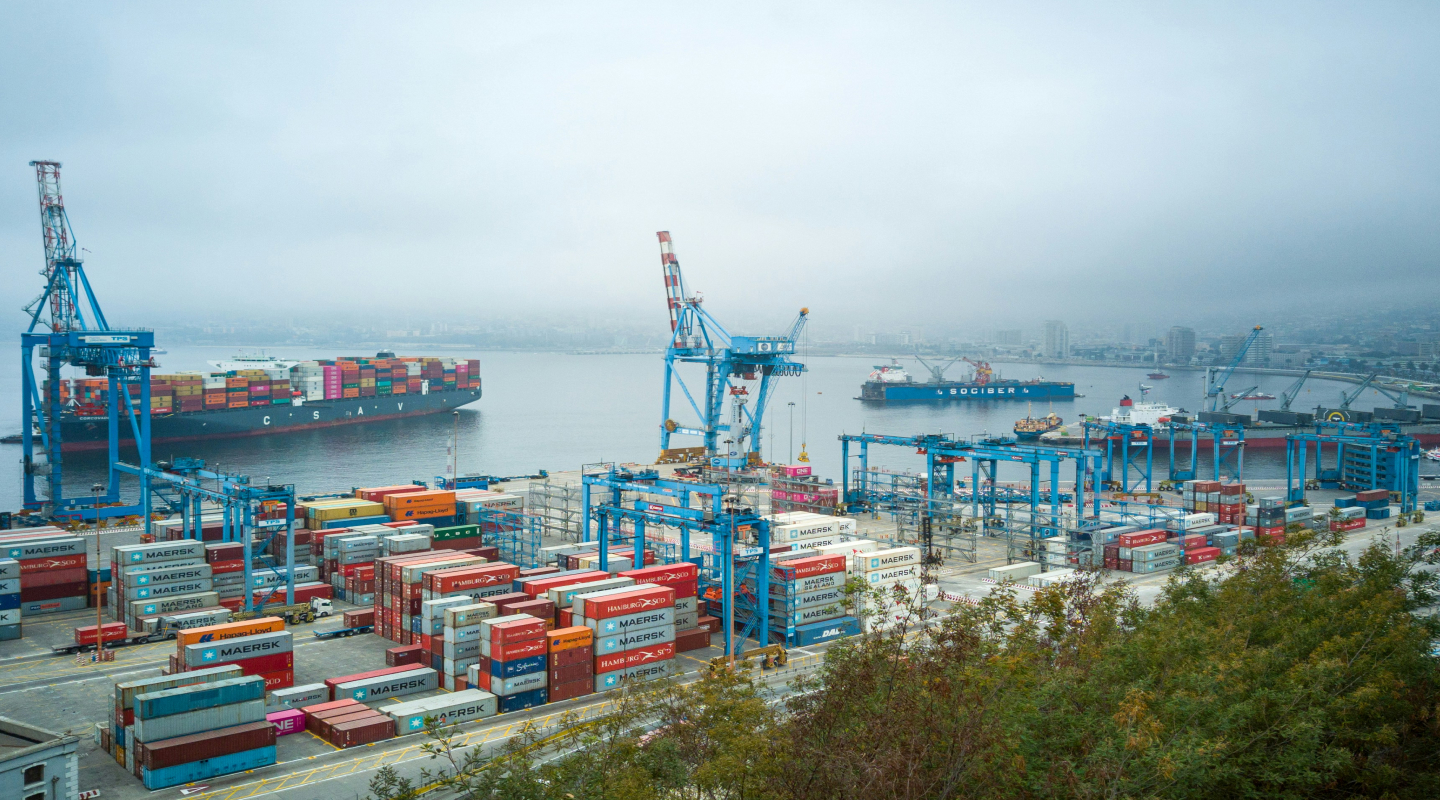
For decades, a company could produce goods in a country with lax carbon regulation, ship them into the European Union, and compete on price against EU manufacturers who were already paying to reduce their emissions. The European Union's Carbon Border Adjustment Mechanism, better known as CBAM, was built to close that gap.
Since January 2026, CBAM has moved from a reporting-only requirement into its definitive phase, meaning it now carries a real financial cost. For exporters across Asia, including many in Singapore's manufacturing and trade sectors, that shift makes CBAM far more than a compliance footnote. This blog breaks down what CBAM actually is, how it works, and what businesses exporting into the EU need to do about it.
What is CBAM
CBAM is a European Union regulation that puts a carbon price on certain imported goods, equivalent to the price EU-based producers already pay under the EU Emissions Trading System. In simple terms, it means the carbon emitted while manufacturing a product now has a cost attached, whether that product was made inside the EU or imported from outside it.
Despite sometimes being called a "carbon border tax," CBAM technically isn't a tax. It works through a certificate system tied to the EU's existing carbon market, importers must account for the emissions embedded in their goods and, from the definitive phase onward, surrender CBAM certificates that reflect the equivalent EU carbon price.
Why CBAM was introduced
CBAM exists to solve a problem known as carbon leakage. As the EU tightened its own carbon pricing on domestic industry, there was a real risk that manufacturing would simply relocate to countries with weaker climate regulation, and that EU companies doing the right thing on emissions would lose ground to imports that didn't carry the same cost. Rather than lowering its own climate ambition to stay competitive, the EU built CBAM to level the playing field, so imported goods face a comparable carbon cost to goods made within the EU.
How CBAM works
.jpg)
CBAM applies to six sectors that are considered carbon-intensive and at high risk of carbon leakage: cement, iron and steel, aluminium, fertilisers, hydrogen, and electricity. The EU has signalled it intends to expand coverage to additional sectors and downstream products over time.
The regulation moved through two phases. A transitional period ran from October 2023 to the end of 2025, during which importers had to report the emissions embedded in covered goods but faced no financial obligation. Since 1 January 2026, CBAM has entered its definitive regime. Importers now need formal authorisation as CBAM declarants, must calculate and report embedded emissions using actual data wherever possible, and are working toward purchasing CBAM certificates to cover those emissions as certificate sales are phased in.
Under current rules, a simplified annual mass-based threshold exempts smaller importers from the full reporting burden, a change introduced to reduce the administrative load on smaller trading relationships while keeping the largest emissions sources firmly in scope.
What this means for exporters outside the EU
CBAM technically places the legal obligation on EU importers, not on the overseas manufacturers supplying them. In practice, that distinction matters less than it sounds. EU importers need accurate, verified emissions data from their suppliers to calculate their CBAM exposure, which means non-EU manufacturers are increasingly being asked to provide product-level carbon data as a condition of doing business.
For exporters across Asia, including Singapore-based manufacturers and traders supplying steel, aluminium, or fertiliser products into European markets, this creates a direct commercial pressure. Suppliers who can provide accurate, verifiable emissions data have a real advantage, both in maintaining existing EU customer relationships and in avoiding the higher default emissions values that apply when actual data isn't available, values that are deliberately set conservatively and tend to result in a higher CBAM cost.
How businesses can prepare
.jpg)
1. Start measuring product-level emissions now
Waiting until a customer asks isn't a workable strategy given how quickly CBAM's financial obligations are ramping up. Building the capability to measure emissions at the product level, not just at the company level, is the foundation everything else depends on.
2. Invest in verifiable data, not estimates
Default values under CBAM are intentionally conservative, and relying on them long-term generally means paying more than necessary. Actual, verified emissions data, backed by proper documentation and, where required, third-party verification, gives exporters far more control over their CBAM cost exposure.
3. Treat this as a supply chain conversation, not just a compliance task
Since CBAM obligations flow through the entire chain from raw material to finished export, manufacturers who engage early with their own suppliers on emissions data will be far better positioned than those trying to assemble this information under pressure from an EU customer's deadline.
Getting ahead of CBAM with better data
CBAM is a clear example of a broader trend, carbon data is no longer just an internal reporting exercise, it's becoming a genuine condition of market access. A platform like Zuno Carbon helps organisations measure product and organisational-level emissions with the accuracy and audit trail that frameworks like CBAM increasingly demand, turning what could be a scramble for data into a manageable, ongoing process.
Get ahead of evolving carbon regulations with Zuno Carbon. Measure, verify, and report your emissions data with the confidence your customers and regulators expect. Book a demo with our team today.
FAQs
1. What does CBAM stand for, and what is it?
CBAM stands for Carbon Border Adjustment Mechanism, an EU regulation that puts a carbon price on certain imported goods, equivalent to what EU producers already pay under the EU Emissions Trading System.
2. Which goods are currently covered by CBAM?
CBAM currently applies to cement, iron and steel, aluminium, fertilisers, hydrogen, and electricity, sectors the EU considers carbon-intensive and at high risk of carbon leakage. The EU has signalled plans to expand coverage to further sectors over time.
3. Does CBAM affect companies outside the EU?
CBAM's legal obligation sits with EU importers, but non-EU manufacturers supplying covered goods are increasingly asked to provide accurate emissions data to support their EU customers' compliance, making CBAM a practical concern for exporters well beyond Europe's borders.