.jpg)
Most software upgrades promise improvement. Veridis 4.0 delivers something more specific: a platform rebuilt to handle the volume and complexity that sustainability management now demands, without requiring a team of data specialists to operate it.
Here are six key benefits that make Veridis 4.0 a meaningful step forward for sustainability teams.
1. Scalable infrastructure built for enterprise data volumes
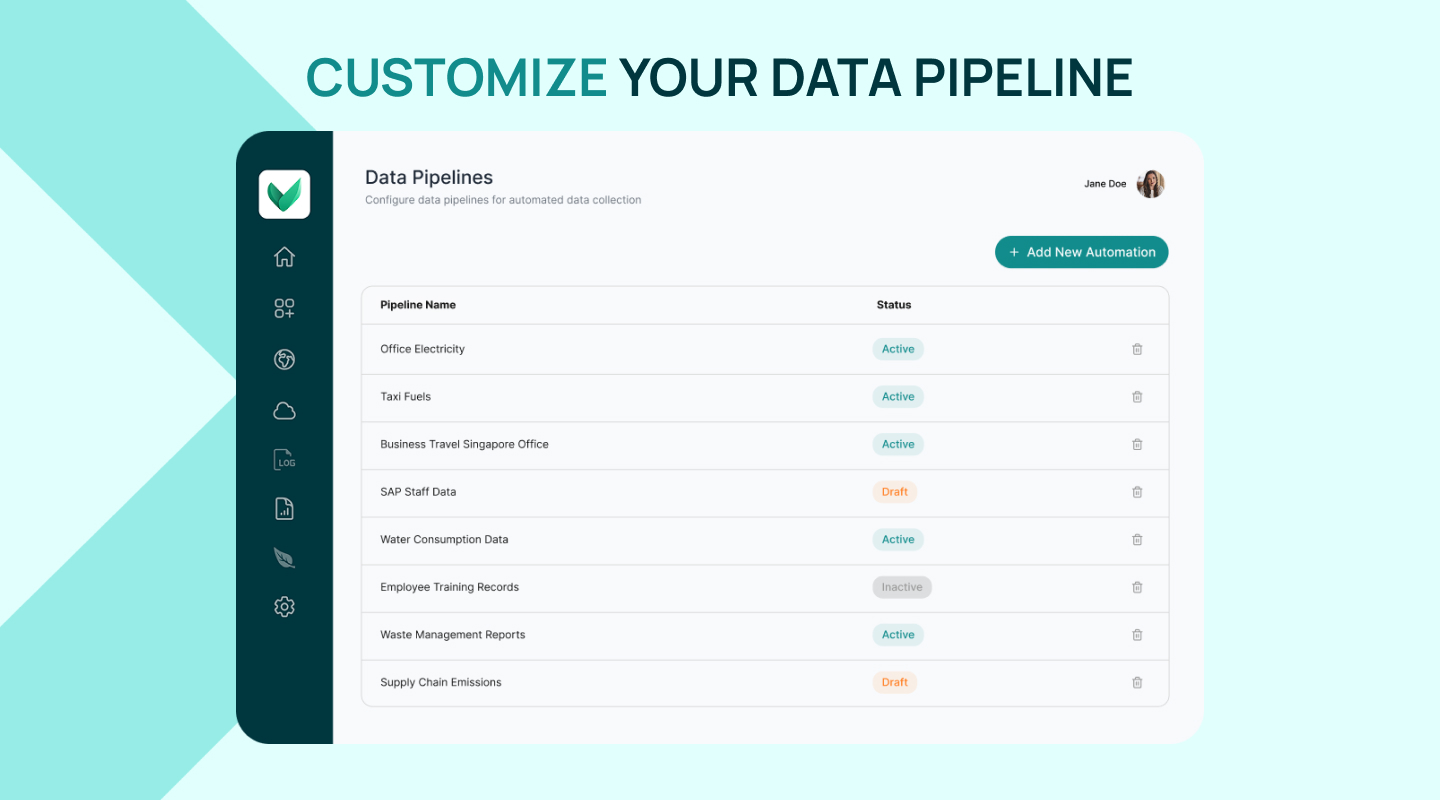
Getting data into the platform has always been a bottleneck, and it's usually the step that introduces the most errors. The Integration module lets teams build automated data pipelines that connect directly to existing enterprise systems, whether that's an ERP, a utility billing platform, an HR system, or any other source where relevant data already lives.
From there, teams set the collection schedule, define the review and approval workflow, and add more pipelines as their data footprint grows. The result is cleaner, more consistent data arriving without the manual effort or the errors that come with copying numbers between systems.
2. Unified data platform for GHG, ESG, and beyond
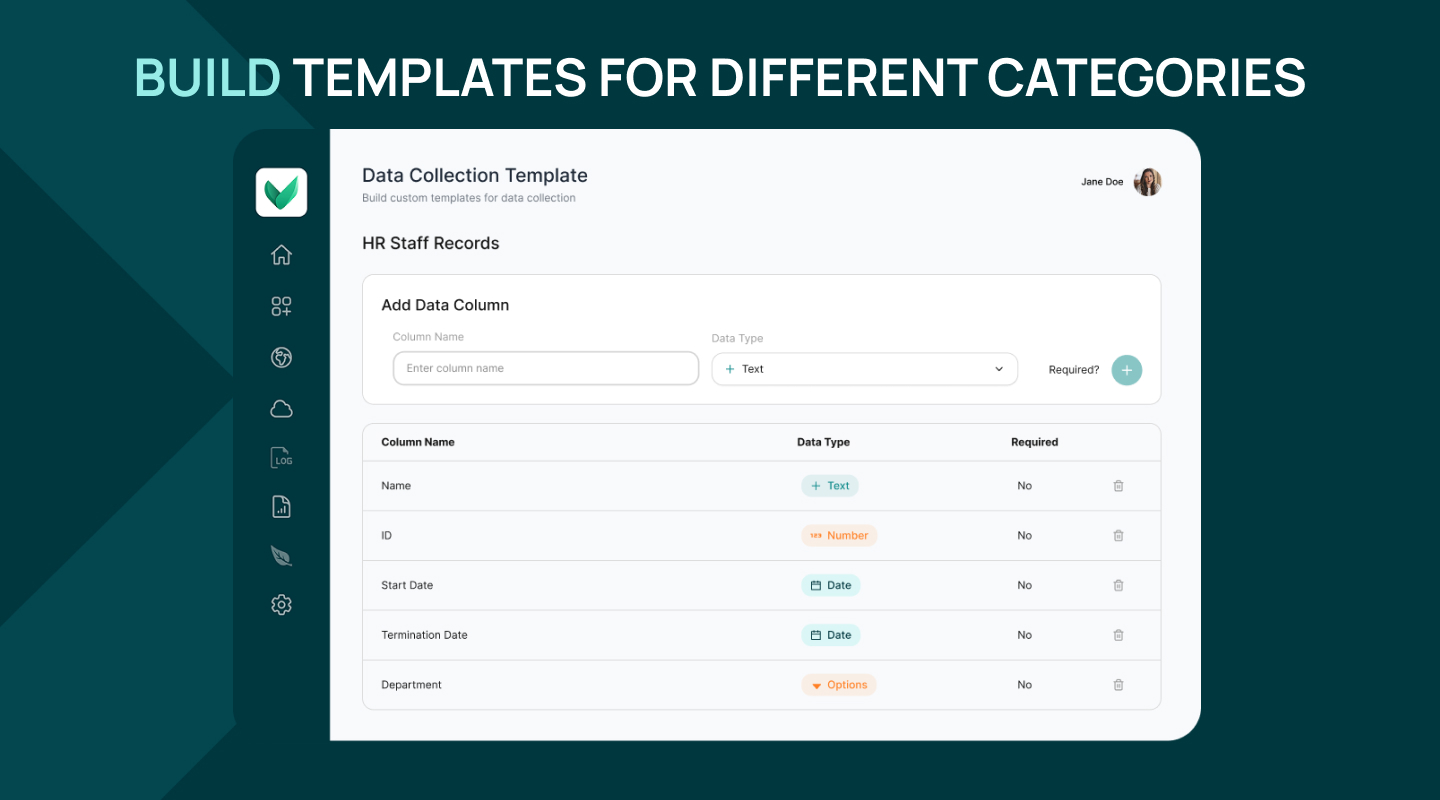
Sustainability data doesn't exist in isolation. Emissions calculations draw on energy figures. ESG metrics pull from HR data. Risk assessments overlap with procurement and finance records. Yet most teams manage these streams in separate tools and spend significant time stitching them together every time a report is due.
Veridis 4.0 consolidates GHG, ESG, risk, finance, HR and other data types in one place, giving teams a single source of truth for everything their organisation generates. When data is unified, the platform can surface connections and patterns that separate systems would miss, giving teams better insight into what's driving their numbers and where the biggest opportunities lie.
3. More AI-powered capabilities, less manual work
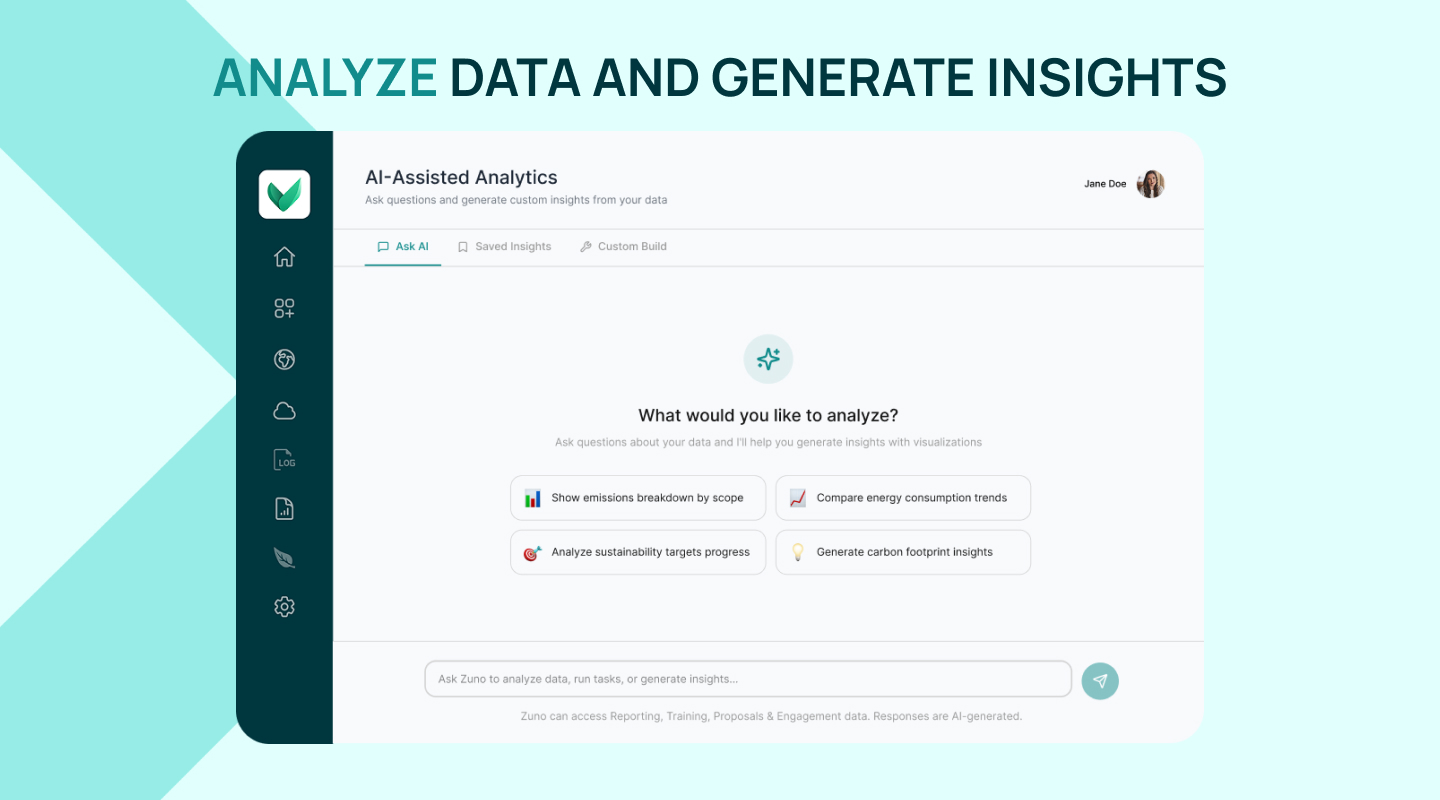
AI in Veridis 4.0 isn't a single feature or an optional add-on. It's woven into the workflows sustainability teams use every day, reducing manual effort at each step.
Documents and invoices are scanned automatically using optical character recognition, pulling out relevant data without manual entry. Unusual data points are flagged for review, catching errors early rather than at the point of submission or audit.
On the analytics side, emission factors are automatically matched to the correct activity data based on the data source or category. When it's time to report, disclosure content is drafted directly from data already collected, giving teams a strong starting point rather than a blank page.
4. Streamlined workflows from collection to reporting
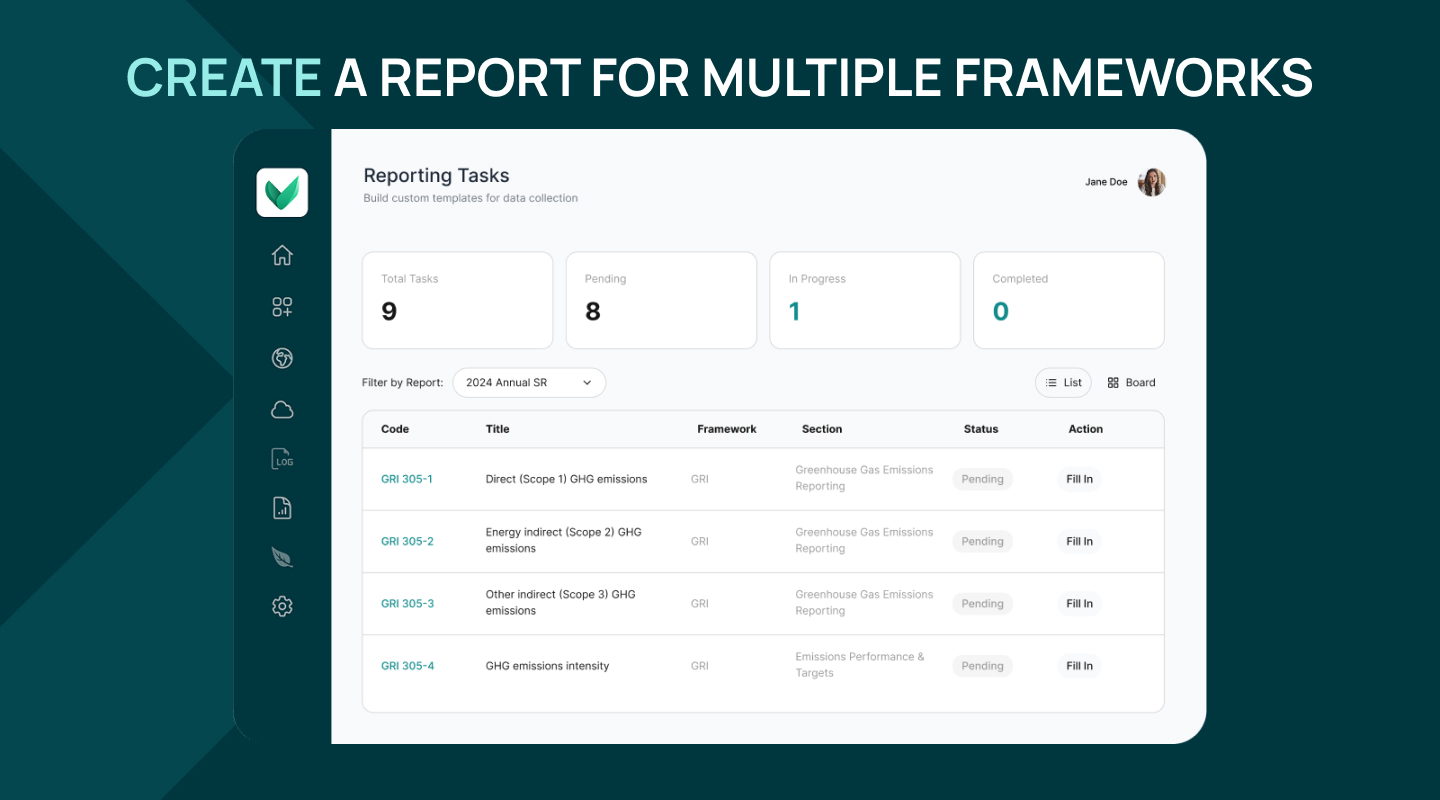
Most of the manual work in sustainability reporting happens not within any single step, but in the gaps between them. Moving data between tools, reformatting it for different templates, chasing approvals by email. Each transition is where errors creep in and time gets lost.
Veridis 4.0 connects the full data lifecycle in one place. Data flows from collection through validation, analytics and reporting without teams needing to export or manually transfer anything. Review and approval workflows are built in, so the right people sign off at the right stages.
5. Auditability and action tracking built in from the start
.jpg)
Audit season is stressful largely because the documentation auditors need has to be assembled after the fact from records that were never designed with audit-readiness in mind. Emails, spreadsheet version histories, approval chains reconstructed from memory: the preparation is time-consuming and the results are often incomplete.
In Veridis 4.0, every data point carries a full change log recording who submitted, edited, and approved it and when. Item descriptions can be locked once verified, and role-based permissions at the asset level keep governance in place throughout collection, not just at the end. When auditors ask for evidence, it's already there.
6. Custom dashboards for any level of granularity
.jpg)
Getting useful insight from sustainability data has traditionally meant relying on a technical specialist or waiting on a data team. Veridis 4.0 changes that by giving every team member three ways to access the data: an AI-assisted chat interface for plain-language queries, a visual chart builder for custom views, and a SQL mode for those who want full control. Saved insights can be pinned to a live dashboard, so the numbers that matter most are always at hand without rebuilding the analysis each time.
A platform built for every sustainability needs
The benefits of Veridis 4.0 aren't isolated improvements. Scalable infrastructure supports larger data volumes. Unified data makes analytics more meaningful. Streamlined workflows reduce friction between collection and reporting. Built-in auditability means everything produced along the way is already evidence-ready. Together, they add up to a platform that keeps pace with what sustainability management requires today, and is built to scale as those requirements grow.
If you'd like to see what Veridis 4.0 can do for your team, book a demo with us today and we'll walk you through it.
FAQs
1. What are the key benefits of Veridis 4.0?
Veridis 4.0 delivers up to ten times the data ingestion capacity of its predecessor, a unified platform for GHG, ESG, risk, finance, and HR data, streamlined end-to-end workflows, built-in auditability with full change logs and permissions, and deeper AI capability across everyday tasks. Together, these reduce manual workload and make the platform significantly more scalable as reporting requirements grow.
2. How much more data can Veridis 4.0 handle compared to Veridis 3.0?
Veridis 4.0 can ingest up to ten times the data volume of its predecessor, backed by rebuilt cloud-native infrastructure that delivers faster processing speeds and greater stability under load.
3. Can Veridis 4.0 handle data types beyond GHG emissions?
Yes. Veridis 4.0 consolidates GHG, ESG, risk, finance, HR, and other data types in one place, giving teams a single source of truth across all the data their organisation generates rather than managing separate tools for different streams.
4. How does Veridis 4.0 make audit preparation easier?
Every data point carries a full change log recording who submitted, edited, and approved it and when. Item descriptions can be locked once verified, and role-based permissions ensure governance controls are in place throughout the collection process. When auditors ask for evidence, the documentation is already there.
5. Is Veridis 4.0 available now?
Yes, Veridis 4.0 is available now. Existing Zuno Carbon customers can speak with their account team about migration timelines. New customers are welcome to book a demo to see the platform in action.