.webp)
When humans step back, nature has a way of bouncing back stronger. That’s the simple but powerful idea behind rewilding, restoring ecosystems so they can develop on their own, without constant human control.
Unlike traditional conservation, which relies on protective measures and ongoing monitoring, rewilding reintroduces keystone species like wolves, beavers, or bison. These animals reshape food chains, bring balance back to habitats, and allow natural processes to function again. The result is cleaner air, healthier water, richer biodiversity, and stronger climate resilience.
This blog explores the meaning of rewilding, its need, benefits of rewilding, global success stories, and Singapore’s urban initiatives.
What is rewilding
Rewilding is the practice of restoring natural systems so that landscapes and seas can once again regulate themselves. It involves giving nature a chance to heal itself. There is no constant intervention. Instead, we step back and let ecosystems recover naturally. This means:
- forests grow
- rivers reshape
- wildlife reclaims its role in maintaining balance
How rewilding works
- Rewilding often starts with reintroducing keystone species: animals that play a critical role in shaping their ecosystems, like wolves, beavers, or bison.
- These animals influence entire food chains. Consequently, they control prey populations, allow vegetation to recover, and create habitats for other species.
- As plant life thrives, soils improve and water retention increases. Eventually, carbon is naturally stored in forests, wetlands, and grasslands.
- Over time, these ecosystems begin to self-regulate. As a result, the need for constant human management decreases.
- Sometimes, rewilding is as simple as leaving a landscape untouched, letting forests, grasslands, or wetlands regenerate on their own.
- The ultimate goal remains the same: a fully functioning, biodiverse ecosystem that adapts naturally to changes and challenges, including climate pressures.
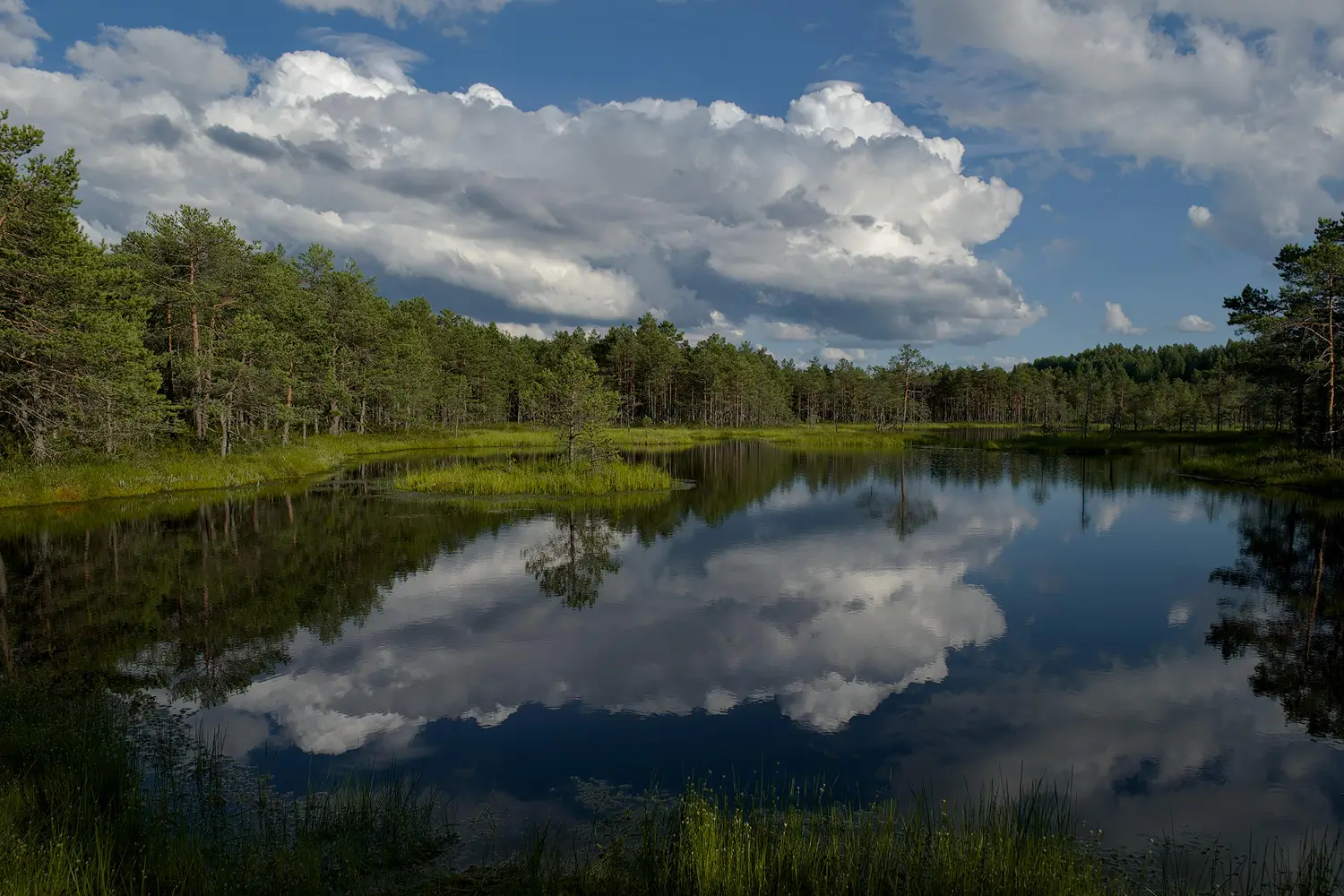
How rewilding differs from conservation
Rewilding and conservation share the goal of protecting ecosystems. But their approaches differ sharply.
.webp)
Why is rewilding needed
Rewilding helps maintain biodiversity corridors, which are vital for species survival and for countering the ongoing environmental degradation we’re witnessing globally.
Restoring food chains
When predators or prey disappear, food chains collapse. As a result, this imbalance can lead to overgrazing, pest outbreaks, and vegetation loss. Rewilding reintroduces key species to naturally regulate populations and allow ecosystems to recover.
Reintroducing key species
Keystone species, like wolves, sea otters, elephants, sea stars, certain types of coral,and beavers, are critical for ecosystem survival. Without them, ecological systems lose stability and diversity. Rewilding focuses on their return. For example, beavers build dams that create wetlands. Consequently, this benefits fish, birds, and plants while also decreasing flood risks.
Connecting ecosystems
Urbanization and infrastructure development divide natural landscapes. As a result, animals cannot move freely, which decreases genetic diversity. Here, rewilding helps create wildlife corridors, reconnecting isolated habitats and enabling species to adapt to climate change.
Clean air and water
Pollution and land degradation degrade natural resources. Thus, healthy ecosystems filter air and water, benefiting both nature and people. Moreover, rewilding restores forests and wetlands, which act as natural filters by absorbing pollutants and releasing clean water and oxygen.
Carbon storage
Natural landscapes are powerful carbon sinks. In particular, rewilding peatlands, forests, and grasslands improves carbon capture, helping to mitigate climate change while building climate resilience.
Furthermore, platforms like Zuno Carbon can help organizations measure and report the carbon value of such ecosystem restoration projects. In this way, the climate benefits of rewilding are visible and backed by reliable data.
How humans benefit from rewilding
Besides helping nature, rewilding provides measurable benefits for people, communities,and economies. Moreover, with a carbon intelligence platform, these nature-based climate solutions can be quantified, tracked, and integrated into broader ESG strategies. As a result, as it restores ecosystems, rewilding supports climate resilience, food security, and human well-being.
Climate change mitigation
Degraded landscapes, from peatlands to coastal marshes, lose their ability to store carbon. Fortunately, rewilding restores these areas into natural carbon sinks. Consequently, this helps trap carbon from the air, lowers harmful greenhouse gases, and improves biodiversity.
For example, successional forests on former grazing land improve soil carbon storage, while coastal wetlands lock carbon in sediments.
Biodiversity and food security
Urban and rural rewilding initiatives can improve access to food while supporting wildlife. Multispecies edible landscapes and restored habitats provide nutritious resources and promote ecological balance.
Simultaneously,wildlife corridors created through rewilding help more species survive, keeping ecosystems healthy and supporting farming and food security.
Tourism and local economies
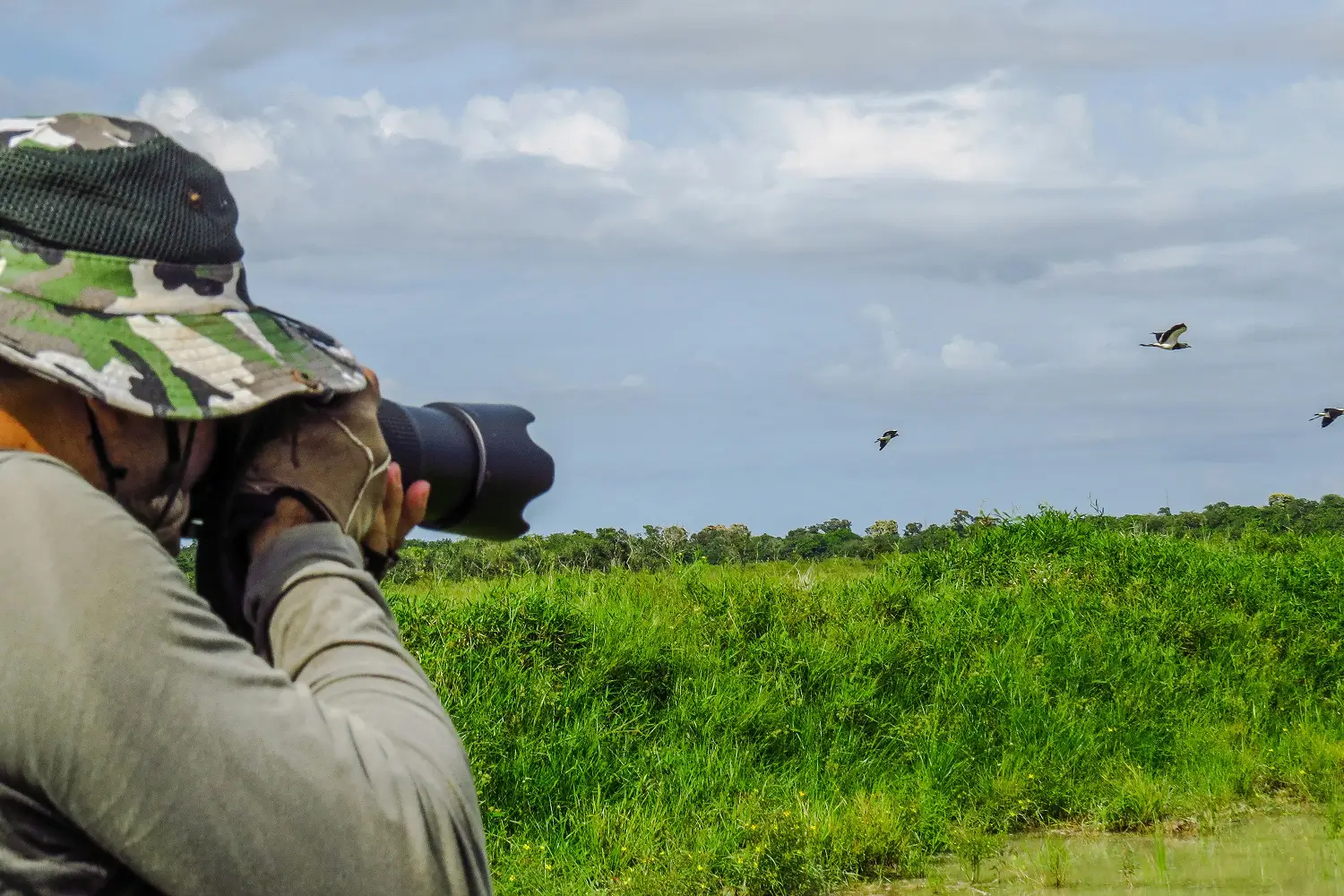
Rewilding restores wildlife populations, therefore attracting nature enthusiasts for wildlife watching and photography. For example, animals like bears, wolves,wolverines, vultures, eagles, owls, and black grouse return. This creates opportunities for visitors to see them up close using specially designed hides.
Asa result, this tourism is growing rapidly in Europe, with hotspots such as the Finnish Kuhmo forest, Hungarian Hortobagy, Romanian Danube Delta, and Spanish dehesa. In these places, professional tours and hides are now widely available,thereby boosting local economies.
Thus,rewilding can create sustainable income streams through nature-based tourism. This approach aligns with the principles of the triple bottom line: people, planet, and profit.
Health and well-being
Natural landscapes restored through rewilding serve as spaces for recreation, learning,and mental restoration. For example, initiatives like Spain’s Hall Estate in the UK support “social prescribing,” where healthcare professionals encourage outdoor engagement to improve mental and physical health. In particular, access to biodiverse, rewilded spaces reduces stress, encourages exercise, and strengthens social connections.
Rewilding success stories
Real-world examples clearly show how rewilding restores ecosystems, strengthens biodiversity, and contributes to climate resilience.
Beavers in the UK
Beaver release: England's first licensed wild release
In March 2025, wild beavers were released into England’s countryside for the first time in over 400 years. Specifically, two pairs were introduced at Little Sea Lake in Dorset’s Studland. This milestone is significant because it restores a species once hunted to extinction for its fur, meat, and scent glands.
Beavers are renowned as “ecosystem engineers.” Through their activities, they create wetlands and natural filtration systems. As a result, water quality improves in nearby habitats like Poole Harbour. Moreover, the River Otter Beaver Trial findings say that the beavers decreased flood flows by up to 60%, even during wet weather.
Blue Wildebeest in the Serengeti
Wildebeests Are Saving The Serengeti
In the mid-20th century, viruses spread from livestock decreased the number of blue wildebeests from over a million to just about 300,000. Consequently, unchecked vegetation growth led to devastating wildfires, turning the region into a net carbon emitter.
However, through effective disease management and population recovery efforts,wildebeest numbers rebounded to historical norms, crossing 1.5 million, in under a decade. Importantly, the wildebeest’s grazing, movement, and herd behavior during the Great Migration help stop wildfires, maintain healthy grasslands, and allow the savanna to store carbon from the air.
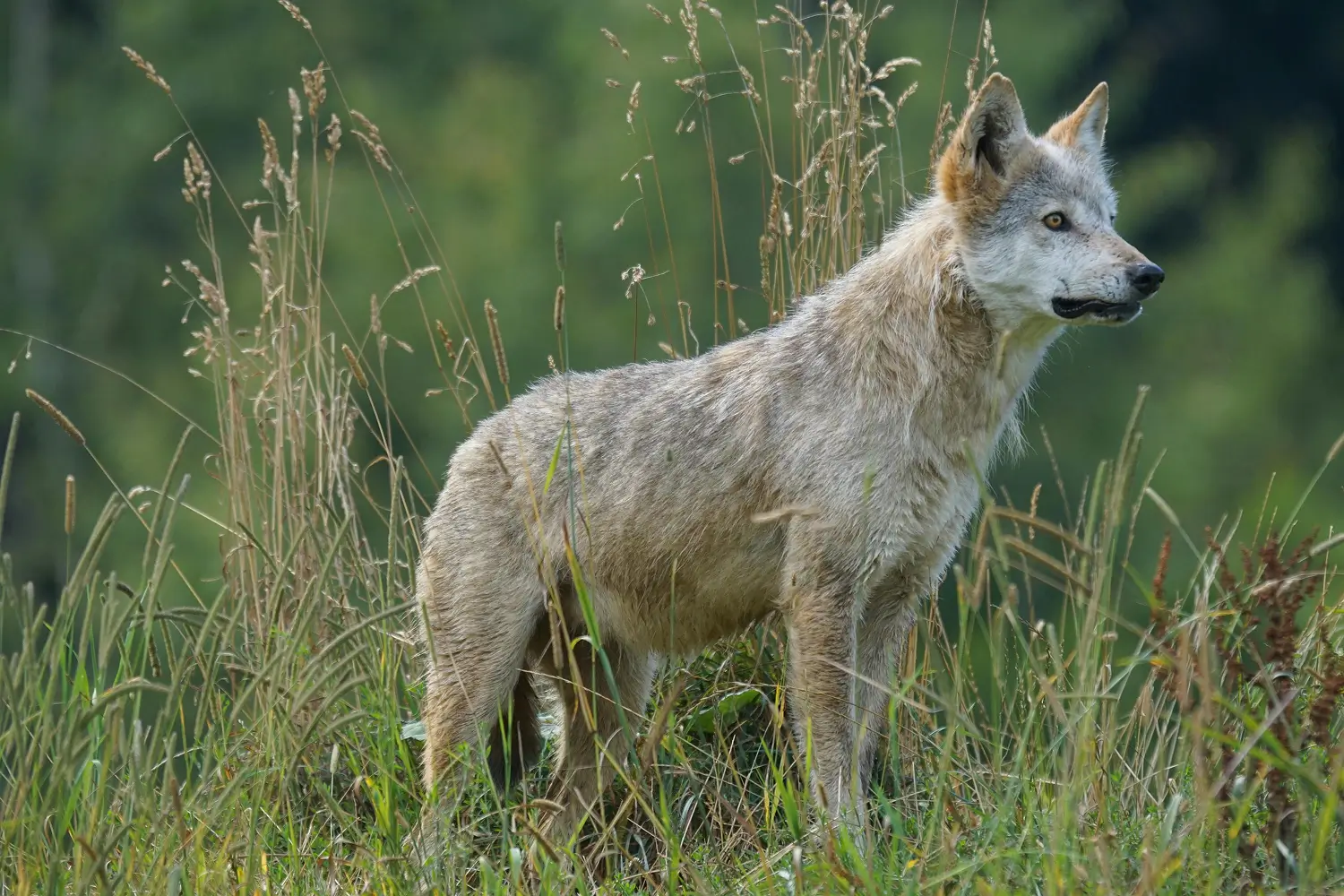
Wolves in Yellowstone
How reintroducing wolves saved this ecosystem | The Earthshot Prize
Gray wolves were reintroduced into Yellowstone National Park in 1995. As a result, elk numbers declined, and their feeding patterns changed. Consequently, heavy grazing on plants along riverbanks decreased, allowing willows, aspens, and cottonwoods to rebound along streambanks.
Furthermore, healthier willow stands facilitated the return of beavers, from just one colony in the 1990s to nine today. Through their dam-building activities,beavers rebuilt wetlands. Now, beaver dams moderate water flow, recharge aquifers, provide sheltered cold water for fish, and support diverse wildlife.
Singapore’s rewilding efforts
The following rewilding initiatives show Singapore’s multi-faceted approach to rewilding, aligning with Singapore’s Green Plan:
1. Bishan–Ang Mo Kio Park
Transformed under Singapore’s ABC Waters Programme, the 3.2 km meandering natural river replaced a straight concrete canal between 2009 and 2012. Moreover, it used soil bio-engineering to create diverse wetland habitat and reconnect people with water.
As a result, the project achieved a 30% rise in biodiversity, welcoming over 197 animal species, including 59 bird and 22 dragonfly species, and even a family of smooth-coated otters.
Simultaneously,it improved flood resilience by increasing the river’s conveyance capacity by ~40%. Consequently, the park’s floodplain design could accommodate heavy rainfall while offering safe, interactive, and vibrant green-blue public space.
2. “City in a Garden” vision
Singapore’s urban landscape embraces biodiversity through multi-layered greenery. In line with this approach, the “City in a Garden” vision transforms roads, rooftops,and water bodies into living systems.
Gardens by the Bay exemplifies this: its Supertrees support over 158,000 plants. They function like natural trees. Their canopies offer shade, act as temperature regulators, and help cool the surrounding area.
3. OneMillionTrees Movement along the Rail Corridor
OneMillionTrees Movement is a nationwide, decade-long campaign launched in April 2020 by NParks. As the name suggests, it aims to plant one million trees across Singapore in streetscapes, parks,nature reserves, park connectors, and more.
Notably,a key focus area is the Rail Corridor, where NParks collaborates with Nature Society Singapore (NSS) to establish a continuous green and wildlife corridor through community-led plantings, canopy restoration, and habitat improvement.
.webp)
In conclusion, rewilding is the active restoration of ecosystems, often through reintroducing keystone species like wolves, beavers, or bison. In doing so, these animals start a chain reaction that helps plants grow back, improves water systems, and boosts carbon storage.
Unlike regular conservation, rewilding decreases the need for people to manage nature. Instead, it focuses on creating landscapes that can take care of themselves and support many types of plants and animals.
The benefits of rewilding are clear: healthier food chains, flood prevention, cleaner air and water, and carbon capture critical for climate action.
Rewilding can be systematically tracked and scaled. Zuno Carbon makes it possible to measure, manage and track your carbon emissions and ESG data, ensuring your rewilding projects contribute to both ecological and corporate sustainability goals.
Make your net-zero journey easier with Zuno Carbon. Cut emissions and get clear, reliable reports to track the real impact of your rewilding projects.
.webp)
Frequently Asked Questions (FAQs)
What is the meaning of rewilding?
Rewilding means helping nature recover on its own. This usually includes bringing back important animals or plants so the land can become healthy, diverse, and self-sustaining.
What is the difference between conservation and rewilding?
Conservation focuses on protecting nature and keeping it the way it is. Rewilding goes a step further by letting nature restore itself and work with little human help, often by reintroducing animals or plants that were lost.
What are some examples of rewilding?
- Bringing wolves back to forests to balance animals and plants.
- Reintroducing beavers to create ponds and wetlands.
- Planting native trees to grow new forests.
- Restoring rivers or wetlands to improve water flow and wildlife habitats.
- Creating green spaces in cities that support plants, birds, and insects.